
SAP–Meraka Unit for Technology Development (UTD)
A Landmark Public–Private Innovation Partnership in South Africa
Overview
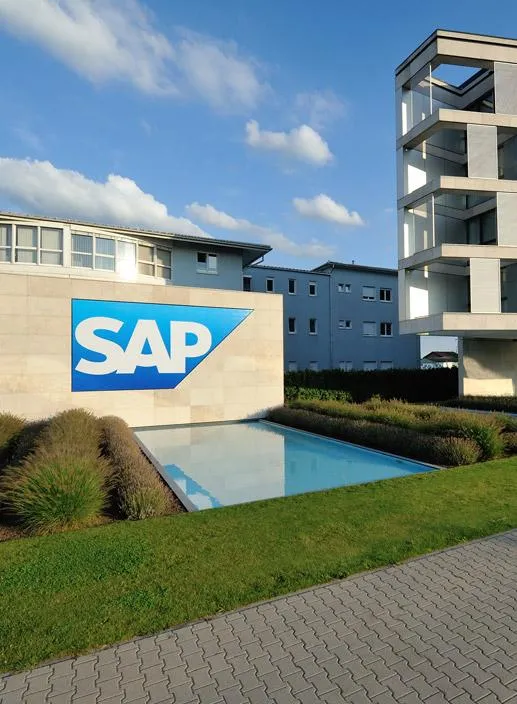
The SAP–Meraka Unit for Technology Development (UTD), based in Pretoria, was a pioneering collaboration between SAP Research, the Council for Scientific and Industrial Research (CSIR) through its Meraka Institute, and South Africa’s Department of Science and Technology (DST, now the Department of Science and Innovation).
The concept and establishment of the unit were the brainchild of Danie Kok, who recognised the opportunity to align global enterprise technology research with South Africa’s national development priorities.
Established in the mid-2000s, the UTD combined global corporate R&D capabilities, national science policy, and local academic expertise to develop ICT solutions tailored for emerging economies.
Why It Was Created
The UTD was built on a shared strategic vision:
- Advance ICT innovation to address development challenges
- Strengthen South Africa’s research capacity in high-technology fields
- Develop skilled human capital through postgraduate programmes
- Position South Africa as a global player in applied ICT research
This partnership reflected a deliberate shift toward collaborative, impact-driven innovation, where research was directly linked to societal and economic outcomes.
How It Worked
The UTD operated as a joint research platform, integrating:
- SAP’s South African and global R&D network
- Public-sector research infrastructure (CSIR Meraka)
- Government funding and policy direction (DST)
- Universities and academics across South Africa, Germany, China, Portugal, and the Russian Federation
- A structured pipeline of postgraduate students
A defining feature of the model was its integrated research–application approach:
- Students received market-related scholarships, comparable to industry remuneration
- They allocated 50% of their time to applied technology research projects
- The remaining 50% was dedicated to Honours, Master’s, or PhD studies
- Academic topics were directly aligned with real-world research projects and UTD focus areas
This created a powerful innovation dynamic:
Postgraduate research and applied project engagement operated as a single, integrated system—producing technologies that were both academically rigorous and practically relevant.
A Distinctive Research Model
The SAP–Meraka UTD stood apart in three key ways:
1. Research for Emerging Economy Contexts
Research focused on real-world challenges such as:
- SME development
- Public service delivery
- Infrastructure constraints
2. Integration of Research and Application
Academic work was continuously tested in live environments, ensuring:
Immediate relevance
Iterative improvement
Practical deployment
3. Human Capital Development with Impact
Graduates emerged with:
- Strong technical capabilities
- Applied research experience
- Exposure to global innovation standards
Research Focus Areas
The UTD’s work spanned multiple domains:
- ICT for Development (ICT4D): Digital inclusion and community systems
- Enterprise Systems: Solutions for small and medium enterprises
- Mobile and Distributed Technologies: Service delivery platforms
- Human–Computer Interaction: Accessibility and user-centric design
- Security and Data Systems: Access control, cloud computing, and resilience
Key Achievements
1. Human Capital Development
- Trained a new generation of ICT researchers
- High completion rates in Master’s and PhD programmes
- Strong integration of academic and applied research
2. Applied Innovation
- Development of health and service delivery systems
- ICT solutions for SMEs and underserved communities
- Practical technologies deployed in real-world environments
3. Global Integration
- Connected South African researchers to international R&D networks
- Positioned Pretoria as a node in global innovation systems
4. Institutional Innovation
- Demonstrated a scalable model for public–private R&D collaboration
- Aligned commercial, academic, and developmental objectives
Key Stakeholders and Leadership
The success of the UTD depended on coordinated leadership across sectors:
Corporate (SAP Research Pretoria)
- Joachim Schaper
- Danie Kok
- De Wet Naude
Full-time Academic Leadership (SAP-linked)
- Jan Eloff
- Ernest Ngassam
- Segopotso Moshapo
- Marek Zielinski
Part-time senior academics from various South African institutions were contracted to support learner development and oversee project-based research.
Government (DST and CSIR)
- Naledi Pandor
- Phil Mjwara
- Daan du Toit
- Mboneni Muofhe
CSIR / Meraka Leadership and Advisors
- Johan Eksteen
- Envir Fraser
- Hina Patel
- Lourens Cloete
International Oversight
- Prof Dr Christoph Meinel (Chairperson of the SAP–Meraka Board)
Legacy
Although the UTD is no longer operational in its original form, its impact endures:
- A cohort of highly skilled ICT professionals
- Proven models for ICT-driven development
- A validated framework for integrating research with application
- Enduring international research and institutional networks
Why It Matters Today
The SAP–Meraka UTD remains a powerful example of how:
- Governments and global firms can co-invest in innovation
- Technology can be tailored to emerging market realities
- Postgraduate education can directly drive innovation
- Collaborative research platforms can deliver both economic and social value
Its central lesson is both simple and profound:
When academic research and applied project engagement are deliberately integrated, they produce solutions that are not only innovative—but also relevant, practical, and transformative.
SAP–Meraka Unit for Technology Development (UTD)
A Landmark Public–Private Innovation Partnership in South Africa
Overview
The SAP–Meraka Unit for Technology Development (UTD), based in Pretoria, was a pioneering collaboration between SAP Research, the Council for Scientific and Industrial Research (CSIR) through its Meraka Institute, and South Africa’s Department of Science and Technology (DST, now the Department of Science and Innovation).
The concept and establishment of the unit were the brainchild of Danie Kok, who recognised the opportunity to align global enterprise technology research with South Africa’s national development priorities.
Established in the mid-2000s, the UTD combined global corporate R&D capabilities, national science policy, and local academic expertise to develop ICT solutions tailored for emerging economies.
Why It Was Created
The UTD was built on a shared strategic vision:
- Advance ICT innovation to address development challenges
- Strengthen South Africa’s research capacity in high-technology fields
- Develop skilled human capital through postgraduate programmes
- Position South Africa as a global player in applied ICT research
This partnership reflected a deliberate shift toward collaborative, impact-driven innovation, where research was directly linked to societal and economic outcomes.
How It Worked
The UTD operated as a joint research platform, integrating:
- SAP’s South African and global R&D network
- Public-sector research infrastructure (CSIR Meraka)
- Government funding and policy direction (DST)
- Universities and academics across South Africa, Germany, China, Portugal, and the Russian Federation
- A structured pipeline of postgraduate students
A defining feature of the model was its integrated research–application approach:
- Students received market-related scholarships, comparable to industry remuneration
- They allocated 50% of their time to applied technology research projects
- The remaining 50% was dedicated to Honours, Master’s, or PhD studies
- Academic topics were directly aligned with real-world research projects and UTD focus areas.
This created a powerful innovation dynamic:
Postgraduate research and applied project engagement operated as a single, integrated system—producing technologies that were both academically rigorous and practically relevant.
A Distinctive Research Model
The SAP–Meraka UTD stood apart in three key ways:
1. Research for Emerging Economy Contexts
Research focused on real-world challenges such as:
- SME development
- Public service delivery
- Infrastructure constraints
2. Integration of Research and Application
Academic work was continuously tested in live environments, ensuring:
- Immediate relevance
- Iterative improvement
- Practical deployment
3. Human Capital Development with Impact
Graduates emerged with:
- Strong technical capabilities
- Applied research experience
- Exposure to global innovation standards
Research Focus Areas
The UTD’s work spanned multiple domains:
- ICT for Development (ICT4D): Digital inclusion and community systems
- Enterprise Systems: Solutions for small and medium enterprises
- Mobile and Distributed Technologies: Service delivery platforms
- Human–Computer Interaction: Accessibility and user-centric design
- Security and Data Systems: Access control, cloud computing, and resilience
Key Achievements
1. Human Capital Development
- Trained a new generation of ICT researchers
- High completion rates in Master’s and PhD programmes
- Strong integration of academic and applied research
2. Applied Innovation
- Development of health and service delivery systems
- ICT solutions for SMEs and underserved communities
- Practical technologies deployed in real-world environments
3. Global Integration
- Connected South African researchers to international R&D networks
- Positioned Pretoria as a node in global innovation systems
4. Institutional Innovation
- Demonstrated a scalable model for public–private R&D collaboration
- Aligned commercial, academic, and developmental objectives
Key Stakeholders and Leadership
The success of the UTD depended on coordinated leadership across sectors:
Corporate (SAP Research Pretoria)
- Joachim Schaper
- Danie Kok
- De Wet Naude
Full-time Academic Leadership (SAP-linked)
- Jan Eloff
- Ernest Ngassam
- Segopotso Moshapo
- Marek Zielinski
Part-time senior academics from various South African institutions were contracted to support learner development and oversee project-based research.
Government (DST and CSIR)
- Naledi Pandor
- Phil Mjwara
- Daan du Toit
- Mboneni Muofhe
CSIR / Meraka Leadership and Advisors
- Johan Eksteen
- Envir Fraser
- Hina Patel
- Lourens Cloete
International Oversight
- Prof Dr Christoph Meinel (Chairperson of the SAP–Meraka Board)
Legacy
Although the UTD is no longer operational in its original form, its impact endures:
- A cohort of highly skilled ICT professionals
- Proven models for ICT-driven development
- A validated framework for integrating research with application
- Enduring international research and institutional networks
Why It Matters Today
The SAP–Meraka UTD remains a powerful example of how:
- Governments and global firms can co-invest in innovation
- Technology can be tailored to emerging market realities
- Postgraduate education can directly drive innovation
- Collaborative research platforms can deliver both economic and social value
Its central lesson is both simple and profound:
When academic research and applied project engagement are deliberately integrated, they produce solutions that are not only innovative—but also relevant, practical, and transformative.
STRATEGIC CONVERGENCE ALLIANCE
19 Pimelia Place, Springvale 2650, Wagga Wagga, NSW,
773 Somerset Street, Wingate Park, Pretoria
© 2026 Stratcona - All Rights Reserved
Website by Flamegap